Water Filtration Elements
Comprehensive Technical Guide to Pleated, Depth, and Activated Carbon Filters
Home
Water Filtration Technologies
Modern water filtration relies on specialized elements designed to remove specific contaminants. Each technology has unique properties that make it ideal for particular applications. Understanding these differences is key to designing effective water treatment systems.
This guide covers the three fundamental filtration technologies that form the backbone of water purification systems worldwide. We'll explore their construction, performance characteristics, and optimal applications.
Pleated Filters
High-flow surface filtration technology
Technology Overview
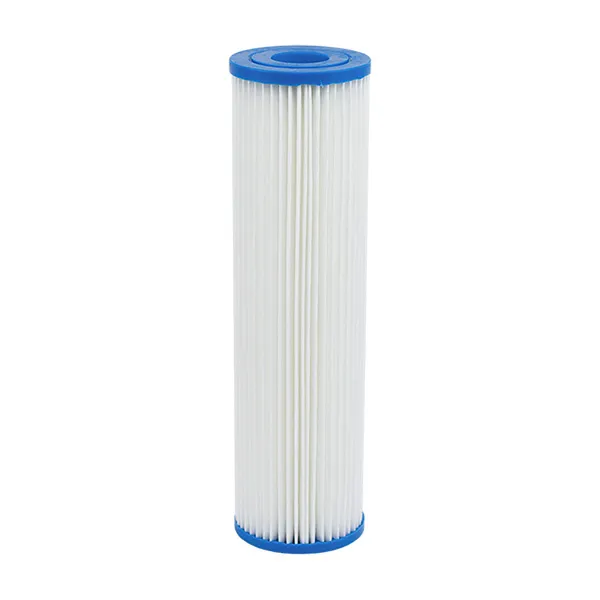
Pleated filters feature a folded membrane design that increases surface area by 5-10x compared to standard filters. This structure uses polypropylene composite membranes with filtration precision from 0.1μm to 60μm.
Performance Characteristics
Applications
- Pre-filtration for reverse osmosis systems
- Beverage and edible oil purification
- Pharmaceutical liquid filtration
- Industrial water treatment
Depth Filters
Three-dimensional particle retention
Technology Overview
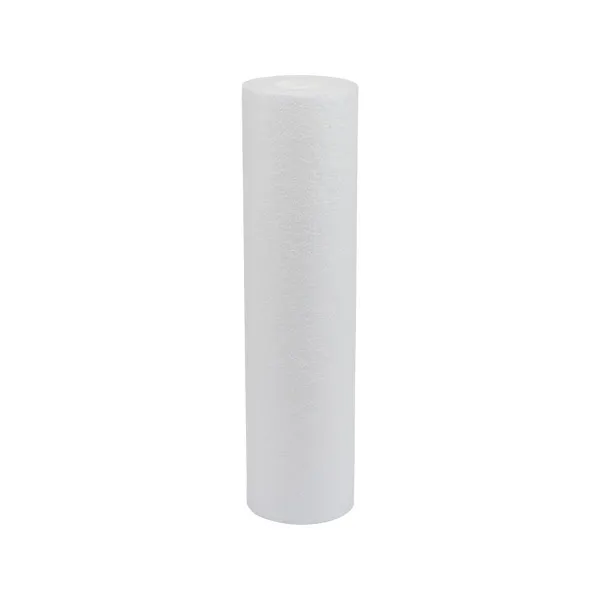
Depth filters use a three-dimensional matrix of cellulose or polypropylene fibers combined with filter aids. They feature graded density layers that capture particles throughout the media thickness.
Performance Characteristics
Applications
- Clarification of cell culture centrates
- Removal of cellular debris after centrifugation
- Beverage production (beers, spirits, syrups)
- Pharmaceutical intermediate processing
Activated Carbon Filters
Chemical adsorption technology
Technology Overview
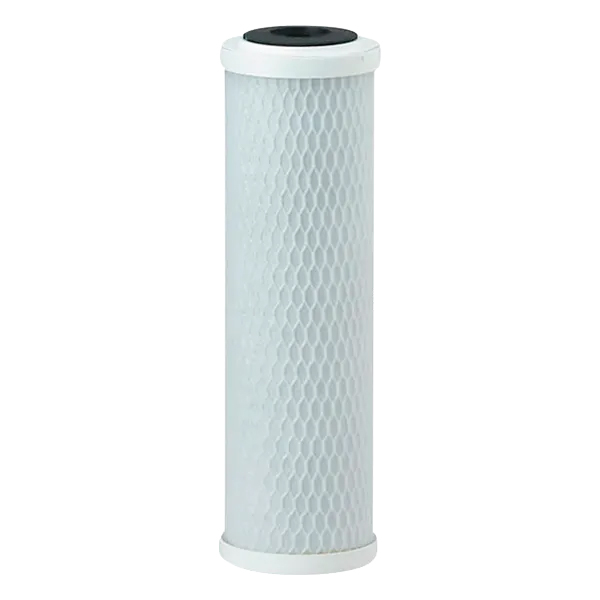
Activated carbon filters immobilize carbon in robust structures with extremely high surface area (500-1500 m²/g). Available as sintered blocks or rolled felt filters with integrated pre-filters.
Performance Characteristics
Applications
- Chlorine removal for membrane protection
- Color reduction in bottled water
- VOC removal from contaminated sources
- Compressed air and nitrogen filtering
Filtration Technology Comparison
| Characteristic | Pleated Filters | Depth Filters | Activated Carbon Filters |
|---|---|---|---|
| Primary Mechanism | Surface retention | Depth retention & adsorption | Chemical adsorption |
| Particle Size Range | 0.35-100μm | 1-100μm | Molecular level |
| Chemical Compatibility | Excellent (acids, bases, solvents) | Good (varies by media) | Excellent |
| Max Temperature | 40°C (104°F) | 65°C (149°F) | 40°C (104°F) |
| Dirt-Holding Capacity | High | Very High | Medium |
| Flow Rate Impact | Low resistance | Moderate resistance | Low resistance |
| Best Applications | Pre-filtration, high-flow | Clarification, high-contaminant | Chemical removal, purification |
Filtration System Selection Guide
For Particulate Contamination
High sediment loads: Start with depth filters as first-stage protection
Medium sediment: Pleated filters provide excellent balance of capacity and flow
Fine particles: Tight-rated depth filters or fine-pleated cartridges
For Chemical Contaminants
Chlorine removal: Activated carbon filters are essential
Organic compounds: Carbon filters with high surface area
Heavy metals: Specialized carbon formulations
Industry-Specific Recommendations
Pharmaceutical: Depth pre-filters + sterile pleated final filters
Food & Beverage: Depth filters for clarification + carbon for taste/odor
Municipal Water: Pleated sediment filters + activated carbon
Technical Information Provided by Filter-Online & Nordic Filtraton ApS
For more detailed specifications or product documentation, visit our Webshops:
www.filter-online.com for Private Products
nordicfiltration.com for Business Products
 English (UK)
  Dansk
Dansk  Norsk bokmål
  Svenska
  Deutsch